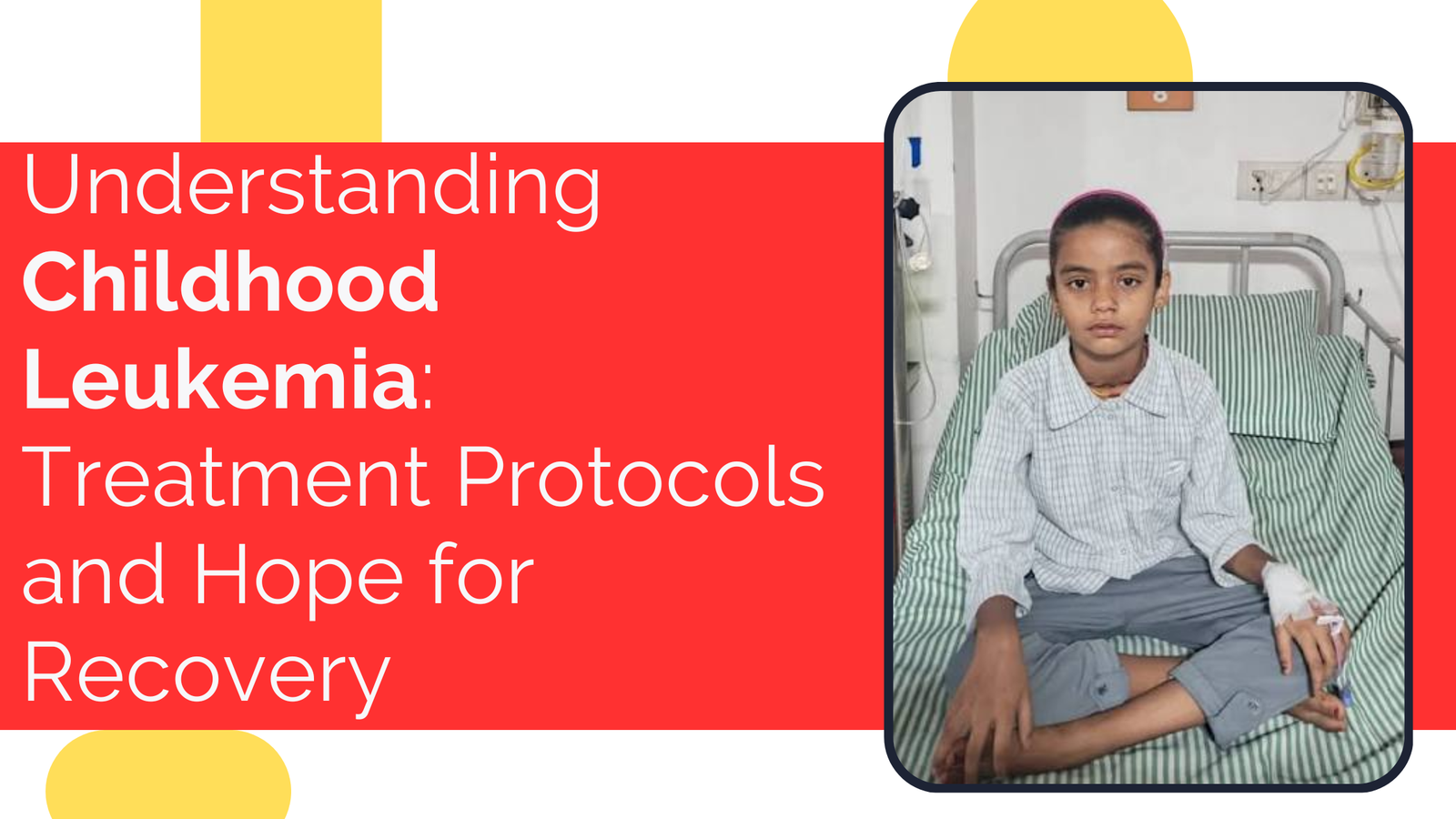
Understanding Childhood Leukemia: Treatment Protocols and Hope for Recovery
Childhood leukemia is the most common childhood cancer, but it is also one of the most treatable ones. With timely diagnosis, standardized treatment protocols, and comprehensive supportive care, many children achieve long-term remission and go on to live healthy lives. At Indrayani Hospital & Cancer Institute (IHCI), Pune, our multidisciplinary pediatric oncology team provides evidence-based, compassionate, and affordable care tailored to every child’s needs.
What is Childhood Leukemia?
Leukemia is a cancer of the blood-forming tissues, primarily the bone marrow, where abnormal white blood cells multiply uncontrollably and interfere with the production of healthy blood cells. Acute Lymphoblastic Leukemia (ALL) accounts for nearly three-quarters of childhood leukemia cases, while Acute Myeloid Leukemia (AML) is less common. Symptoms may include persistent fever, fatigue, pallor, bruising, bleeding, recurrent infections, bone pain, and swollen lymph nodes.
How is Childhood Leukemia Diagnosed?
Diagnosis involves a detailed clinical evaluation, blood investigations, bone marrow examination, immunophenotyping, cytogenetic and molecular testing, and imaging when required. These investigations help determine the leukemia subtype and risk category, enabling personalized treatment planning.
Modern Treatment Protocols
Treatment is carefully planned according to internationally accepted protocols. Therapy for ALL generally consists of remission induction, consolidation/intensification, central nervous system-directed therapy, and maintenance. The exact treatment depends on the child’s age, disease subtype, genetic findings, and response to therapy. Selected high-risk or relapsed cases may require stem cell transplantation or advanced therapies such as targeted therapy or immunotherapy.
Supportive Care Matters
Successful leukemia treatment extends beyond chemotherapy. Children require expert infection control, blood and platelet transfusions, nutritional support, pain management, psychological counselling, and close monitoring for treatment-related complications. A coordinated multidisciplinary team significantly improves treatment outcomes and quality of life.
Why Choose Indrayani Hospital & Cancer Institute?
IHCI offers comprehensive pediatric oncology services in Pune through a multidisciplinary team of pediatric oncologists, medical oncologists, surgeons, radiation oncologists, pathologists, radiologists, intensivists, nurses, nutritionists, psychologists, and rehabilitation specialists. The institute emphasizes evidence-based treatment, individualized care, affordability, and support through government health schemes wherever applicable.
Hope for Families
Survival outcomes for childhood leukemia have improved remarkably over the past two decades due to advances in diagnosis, standardized treatment protocols, and supportive care. Early diagnosis, treatment adherence, and regular follow-up remain the key factors influencing successful outcomes.
Conclusion
A diagnosis of childhood leukemia can be overwhelming, but it is important to remember that effective treatment is available. Early consultation with experienced pediatric oncologists in IHCI Pune allows children to receive timely, personalized care and the best possible chance of recovery. If your child has persistent symptoms or has been diagnosed with leukemia, consult the specialists at Indrayani Hospital & Cancer Institute for comprehensive evaluation and treatment.
Book Your Appointment Today at Indrayani Hospital & Cancer Institute
If you or a loved one are seeking expert oncology care, our team is ready to assist you. Contact us at +91-8378042020 to schedule a consultation.
Frequently Asked Questions (FAQs)
1. How long does treatment take?
Treatment for ALL usually lasts about 2–3 years, while treatment duration for other leukemia types varies.
2. Can childhood leukemia be cured?
Many children achieve long-term remission and cure when diagnosed early and treated according to standard protocols.
3. Is every child treated the same way?
No. Treatment is individualized based on leukemia subtype, risk group, genetics, and response to therapy.
4. Does IHCI provide multidisciplinary care?
Yes. IHCI offers coordinated care involving multiple specialists and comprehensive supportive services.