


Medical Oncology Services in Pune
Brief Information
Advanced cancer treatment with experienced medical oncologists providing chemotherapy, immunotherapy, targeted therapy and personalized oncology care.
Medical oncology is a key cancer treatment modality that employs systemic treatment techniques such as Chemotherapy, Immunotherapy, Targeted Therapy, and Hormonal Therapy to successfully manage cancer. These systemic medicines aid in the destruction of cancer cells found throughout the body. They are frequently used in conjunction with other treatment methods like as Surgery and Radiation Therapy to get the desired clinical results in patients.
Treatment modalities available in our hospital providing Medical Oncology Services in Pune are as follows:
-
Chemotherapy
- Neoadjuvant
- Concurrent
- Adjuvant
- Palliative - Targeted Chemotherapy
- Hormone Therapy
- Immunotherapy
- Pediatric Oncology
Top Medical Oncologists in Pune from our hospital treat the following cases:
- Pediatric hematologic malignancies
- Solid tumors like Nephroblastoma, Neuroblastoma, Rhabdomyosarcoma, Osteosarcoma, Ewings-Sarcoma, Hepatoblastma
We give Chemotherapy, if required Surgery and Radiation Therapy based on the case at our centre
Meet Our Top Medical Oncologists in Pune
Sr. No
Consultant
Qualification
OPD Day and Time
1.
Dr. Jayant Gawande
MBBS MD DM(Medical Oncology)
Mon and Wed 10.00 - 1.00 pm
2.
Dr. Asma Pathan
MBBS MD DNB(Medical Oncology)
Mon to Fri 11.00 - 4.00 pm
3.
Dr. Abhijit Baheti
MBBS MD DM, DNB (Hemato- oncology)
Fri 11.00 - 2.00 pm
4.
Dr. Nikhil Shirsi
MBBS, DNB ,DNB (Medical Oncology)
Tue and Thu 9:00 - 1:00 PM
Department Of Medical Oncology Consultants

Dr. Jayant Gawande
MBBS MD DM(Medical Oncology)

Dr. Asma Pathan
MBBS MD DNB(Medical Oncology)

Dr. Abhijit Baheti
MBBS MD DM, DNB (Hemato- oncology)
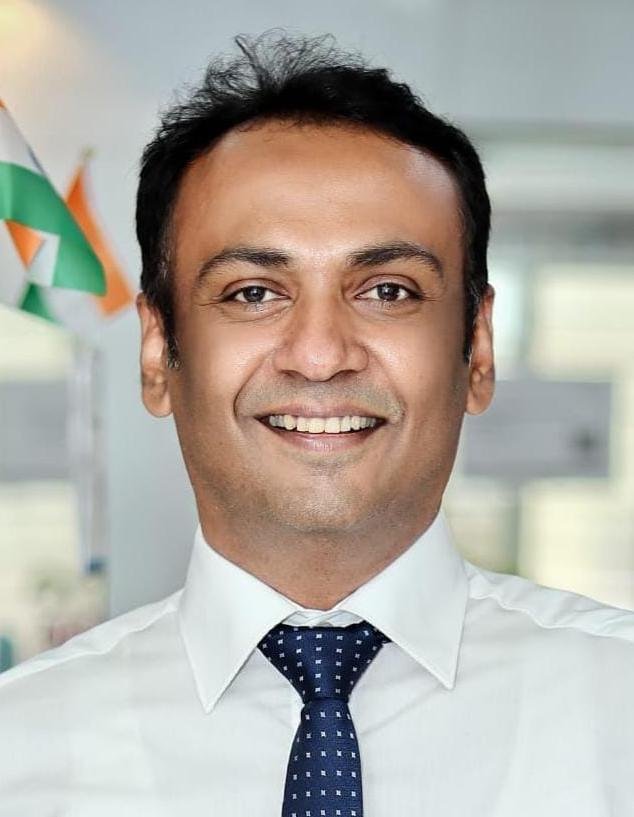
Dr. Nikhil Shirsi
MBBS, DNB (Medical Oncology)
Department Of Medical Oncology Patient Statistics
Patient Registered
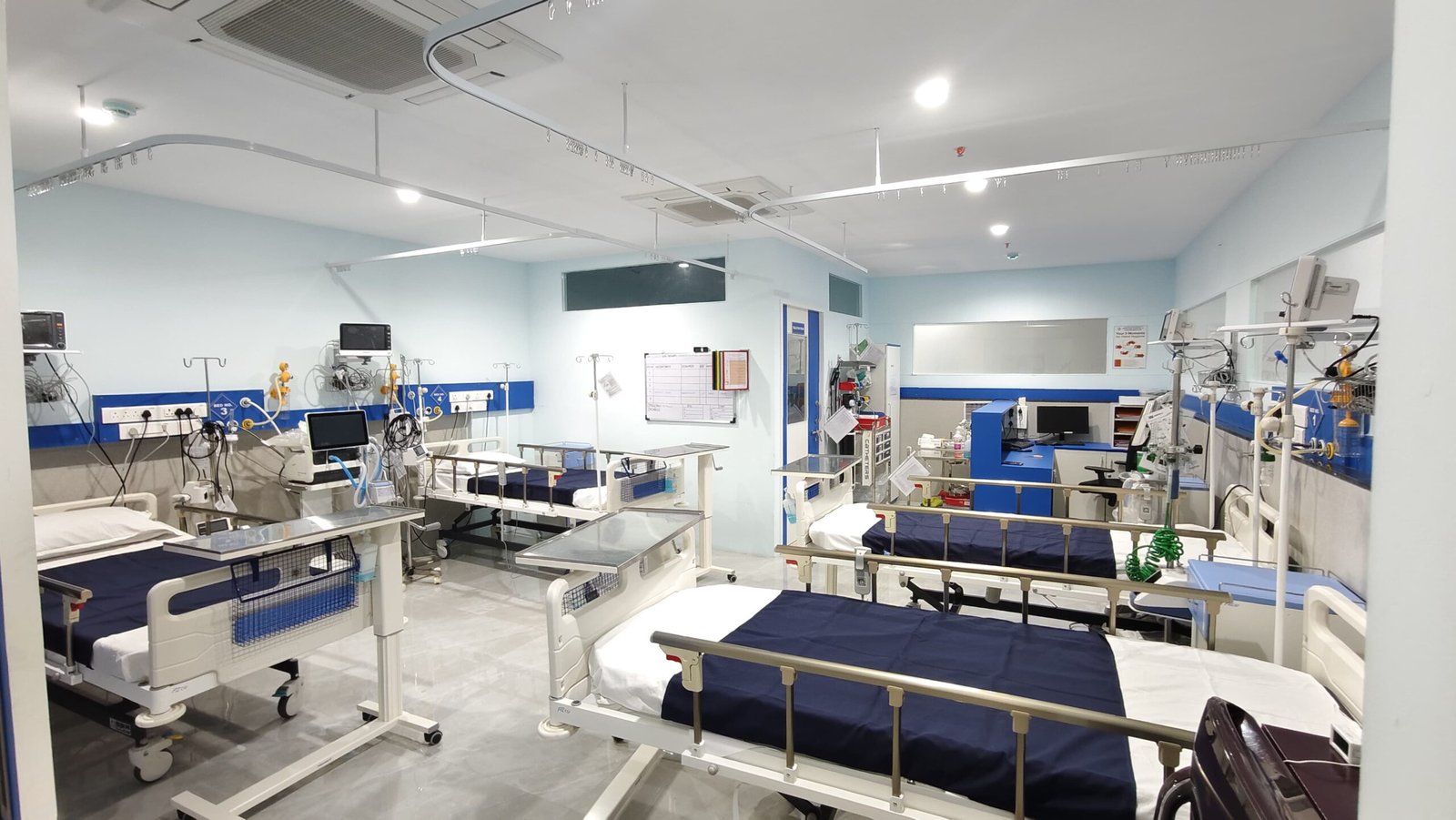
Gallery Of Medical Oncology
Inauguration Ceremony / Equipment Photos



Frequently asked questions (FAQs)
1. What are Medical Oncology Services in Pune?
Medical Oncology Services in Pune focus on the diagnosis, treatment, and management of cancer using advanced medical therapies such as chemotherapy, immunotherapy, targeted therapy, hormonal therapy, and personalized cancer care plans. At Indrayani Cancer Hospital, experienced medical oncologists evaluate each patient’s condition and create customized treatment strategies based on cancer type, stage, and overall health.
2. Who is the best medical oncologist in Pune?
The best medical oncologist in Pune is someone who combines extensive clinical experience, advanced cancer treatment knowledge, and a patient-focused approach. Indrayani Cancer Hospital has a team of experienced medical oncologists specializing in chemotherapy, immunotherapy, targeted therapy, and comprehensive cancer management. Patients can consult qualified oncology specialists for personalized treatment guidance.
3. What treatments does a medical oncologist provide?
A medical oncologist provides various cancer treatments, including chemotherapy, immunotherapy, targeted therapy, hormonal therapy, and supportive cancer care. These treatments help control cancer growth, reduce symptoms, prevent recurrence, and improve quality of life. The treatment approach depends on the type of cancer, disease stage, genetic factors, and individual patient needs.
4. Is chemotherapy available at Indrayani Cancer Hospital Pune?
Yes, Indrayani Cancer Hospital provides chemotherapy treatment as part of its comprehensive Medical Oncology Services in Pune. The hospital follows personalized chemotherapy protocols designed by experienced medical oncologists to ensure safe and effective cancer care. Patients receive monitoring and supportive care throughout their treatment journey.
5. How do I book an appointment with a medical oncologist in Pune?
To book an appointment with a medical oncologist in Pune, patients can contact Indrayani Cancer Hospital directly through the hospital’s official contact details or appointment booking system. The oncology team helps schedule consultations, understand medical history, review reports, and guide patients toward the most suitable cancer treatment options.
6. What cancers are treated by medical oncologists?
Medical oncologists treat different types of cancers, including breast cancer, lung cancer, blood cancers, gastrointestinal cancers, prostate cancer, ovarian cancer, cervical cancer, head and neck cancers, and other solid tumors. They use advanced therapies such as chemotherapy, immunotherapy, and targeted treatments to provide effective cancer management.
7. What is the role of a medical oncologist in cancer treatment?
A medical oncologist plays an important role in planning and managing cancer treatment using medicines and systemic therapies. They diagnose cancer conditions, recommend suitable treatments, monitor patient response, manage side effects, and coordinate with surgeons, radiation oncologists, and other specialists for complete cancer care.
8. Why choose Indrayani Cancer Hospital for Medical Oncology Services in Pune?
Indrayani Cancer Hospital provides comprehensive cancer care with experienced medical oncologists, advanced treatment facilities, and a patient-centered approach. The hospital focuses on accurate diagnosis, personalized treatment planning, and supportive care to help patients receive quality oncology services under one roof.
9. What is the difference between a medical oncologist and a cancer surgeon?
A medical oncologist treats cancer using medicines such as chemotherapy, immunotherapy, targeted therapy, and hormonal therapy, while a cancer surgeon removes tumors through surgical procedures. In many cases, both specialists work together with radiation oncologists to create a complete cancer treatment plan.
10. When should I consult a medical oncologist?
You should consult a medical oncologist after a cancer diagnosis or when your doctor recommends specialized cancer treatment. Early consultation helps patients understand available treatment options, evaluate the stage of cancer, and develop an effective care plan based on their specific condition.