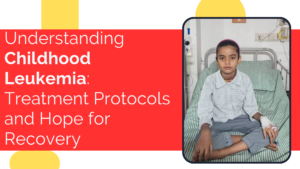
Importance of Early Diagnosis in Childhood Cancer
Any family will find the idea of their child having cancer very frightening. Parents often notice symptoms such as fever, tiredness, body aches, bruising or a loss of appetite, which are also common in children. The actual difficulty lies in deciding whether a symptom is just temporary or whether it needs to be examined by a doctor. If you can spot any unusual patterns and obtain the proper advice, this will help make sure your child gets checked without undue delays.
Cancer in children is rare compared to most childhood illnesses, and one symptom alone usually does not mean cancer. Doctors consider the whole situation: how long a symptom has lasted, if it keeps coming back, if it is getting worse, and if there are other unexplained changes. If symptoms are persistent or worrying, parents should have them checked by a doctor instead of trying to figure it out on their own.
Timely medical evaluation becomes especially important when symptoms cannot be explained or do not improve as expected. Access to Pediatric Oncology Services in Pune can help families get specialist assessment when pediatric cancer is suspected, allowing appropriate tests and further care to be planned based on the child’s individual condition. Parents can usually begin by discussing their concerns with their child’s primary care doctor or pediatrician, who may provide a referral to a pediatric oncology specialist if necessary. In some settings, parents may also be able to contact pediatric oncology services directly to schedule an appointment or request guidance on the next steps. Acting promptly can help ensure timely evaluation and support.
Why Is Early Diagnosis Important in Childhood Cancer?
Early diagnosis means identifying cancer as promptly as reasonably possible after symptoms or signs appear. It does not mean screening every child for cancer. Instead, it involves recognizing concerning changes, obtaining a proper medical assessment, and arranging diagnostic tests or specialist referrals when medically necessary.
A timely diagnosis matters because doctors first need to determine exactly what condition a child has before deciding on treatment. If cancer is diagnosed, the type, location, extent, and biological characteristics of the disease may influence the treatment plan.
Early medical attention can help in several ways:
1. It reduces avoidable delays in evaluation.
Persistent symptoms can be investigated instead of being repeatedly overlooked.
2. It helps establish an accurate diagnosis.
Childhood cancers are not a single disease. Different types require different tests and treatment approaches.
3. It allows treatment planning to begin sooner when necessary.
Once doctors have enough diagnostic information, they can discuss suitable treatment options with the family.
4. It helps families understand what is happening.
A structured diagnostic process can replace uncertainty with clearer medical information and next steps.
5. It can support coordinated care.
Pediatric oncology often involves doctors, nurses, pathologists, radiologists, surgeons, nutrition professionals, and other specialists working together.
Early diagnosis is important, but it should not be confused with a guarantee of recovery. Outcomes depend on many factors, including the type of cancer, its characteristics and extent, the child’s overall health, response to treatment, and other individual circumstances.
Possible Warning Signs Parents Should Know
Childhood cancer can cause different symptoms depending on the type of disease and the area of the body involved. Many of these symptoms are much more commonly caused by infections, minor injuries, nutritional issues, or other non-cancerous conditions. What often matters is whether a change is unexplained, persistent, unusual, worsening, or accompanied by other symptoms.
The following table provides general examples.
Persistent fever | Fever that continues or repeatedly returns without an obvious explanation | If it persists, repeatedly returns, or is accompanied by other concerning symptoms |
Unexplained bruising or bleeding | Frequent bruises without clear injuries, unusual bleeding, or tiny red/purple spots | If bruising or bleeding is unusual, frequent, or unexplained |
Unusual lump or swelling | A lump in the neck, abdomen, underarm, groin, or another area | If a new lump persists, grows, or concerns you |
Ongoing tiredness | A child appears unusually weak, pale, sleepy, or less active | If the change is persistent or significantly different from normal |
Bone or joint pain | Repeated pain, limping, or discomfort without an obvious injury | If pain persists, worsens, wakes the child, or affects normal activity |
Unexplained weight loss | Weight decreases without an intentional dietary or activity change | If weight loss is noticeable or continues |
Persistent headaches | Repeated or worsening headaches, sometimes with other symptoms | Seek medical assessment for persistent, severe, or changing headaches |
Changes in vision or eyes | New visual problems or unusual changes involving an eye | Any unexplained or persistent eye or vision change deserves assessment |
Persistent abdominal swelling or pain | Ongoing discomfort, swelling, or unusual fullness | If symptoms continue, worsen, or occur with other unexplained changes |
This table is intended for general awareness rather than self-diagnosis. Having one or even several of these symptoms does not establish that a child has cancer.
When Should Parents Seek Medical Advice?
Parents know their children’s usual behaviour, energy levels, eating habits, and routines. A medical consultation can be appropriate when something feels noticeably different and does not return to normal.
Consider seeking medical advice when:
1. A symptom lasts longer than expected.
2. The same unexplained symptom repeatedly returns.
3. Symptoms gradually become more severe.
4. A child develops an unexplained lump or swelling.
5. Bruising or bleeding occurs without a clear reason.
6. Pain regularly interferes with sleep, school, play, or movement.
7. A child experiences unexplained weight loss or prolonged loss of appetite.
8. Several unusual symptoms develop together.
9. A child’s energy or behaviour changes significantly without an obvious explanation.
Parents should also seek urgent medical attention when a child’s symptoms appear severe or rapidly worsening. The appropriate level of urgency depends on the symptoms and the child’s condition.
How Is Childhood Cancer Diagnosed?
There is no single test that diagnoses every childhood cancer. Doctors choose investigations according to the child’s symptoms, examination findings, medical history, and the condition being considered.
1. Medical History
The doctor may ask when symptoms began, whether they are improving or worsening, how frequently they occur, and whether the child has experienced changes in appetite, weight, sleep, activity, pain, or general health.
2. Physical Examination
A doctor may examine the child for lumps, swelling, tenderness, unusual bruising, pallor, enlarged lymph nodes, or other physical changes relevant to the symptoms.
3. Laboratory Tests
Blood or other laboratory tests may be recommended depending on the findings. Blood tests can provide information about blood cells and organ function, but their role varies according to the suspected condition.
4. Imaging Tests
Ultrasound, X-rays, CT scans, MRI scans, or other imaging techniques may sometimes be used to examine specific areas inside the body. Not every child requires every type of scan.
5. Biopsy or Other Specialized Tests
For some suspected cancers, doctors may need to examine cells or tissue in a laboratory to establish a diagnosis. Additional specialized tests may then help determine the exact characteristics of the disease.
The diagnostic process should be individualized. Parents should not assume that one abnormal blood result or scan automatically means cancer.
Why Specialist Pediatric Oncology Care Matters
Children are not simply smaller versions of adults. Childhood cancers can differ from adult cancers in their types, biology, treatment approaches, medication considerations, and supportive-care needs.
A Pediatric Oncologist in Pune may work alongside other specialists to evaluate a child’s condition, interpret diagnostic information, explain available options to the family, and coordinate an appropriate care plan when pediatric cancer is diagnosed.
Depending on the child’s needs, a multidisciplinary team can include pediatric specialists, medical oncologists, surgeons, radiation oncologists, radiologists, pathologists, oncology nurses, dietitians, rehabilitation professionals, and psychosocial support professionals.
This team-based approach matters because cancer treatment can affect more than the disease itself. Nutrition, growth, infection prevention, emotional well-being, schooling, physical activity, and family support may all require attention during a child’s care.
What Happens After a Childhood Cancer Diagnosis?
Once a diagnosis is confirmed, the healthcare team generally needs to understand the specific cancer before recommending treatment.
The next steps may include:
1. Confirming the cancer type:
Laboratory analysis can help doctors identify the specific disease.
2. Assessing its extent:
Appropriate investigations may be used to determine where the disease is located and whether other areas are involved.
3. Reviewing the child’s overall health:
Existing medical conditions, organ function, age, growth, and other factors can influence care.
4. Developing an individualized plan:
Treatment may involve chemotherapy, surgery, radiation therapy, targeted approaches, or other therapies depending on the diagnosis.
5. Planning supportive care:
Doctors may address nutrition, pain, infections, treatment-related side effects, and emotional needs.
6. Monitoring progress:
Tests and clinical assessments can help the team understand how the child is responding.
Parents should feel able to ask questions about the diagnosis, proposed treatment, expected side effects, alternatives, hospital visits, and follow-up care. It can be helpful to keep a notebook or list of questions to discuss during appointments, so important topics are not forgotten. Parents are also welcome to seek a second opinion if they wish to feel more confident in the diagnosis or treatment plan. Taking these steps empowers families to be proactive in their child’s care.
Supporting the Child and Family During Cancer Care
A childhood cancer diagnosis affects the whole family. Parents may suddenly need to balance medical appointments, work responsibilities, finances, school arrangements, and the emotional needs of siblings while processing their own concerns.
Clear communication can make the experience more manageable. Children should receive explanations appropriate to their age and understanding. Younger children may benefit from simple explanations about tests and hospital visits, while older children and teenagers may want more detailed information and greater involvement in discussions.
Maintaining familiar routines whenever medically possible can also provide comfort. School activities, hobbies, conversations with friends, play, and family time can help a child maintain a sense of normal life during treatment.
Parents should also pay attention to their own well-being. Asking relatives for practical support, speaking openly with the healthcare team, and seeking professional emotional support when needed can help families manage a demanding period.
Accessible and Timely Cancer Care
Established with the support of Shri Narasimha Saraswati Medical Foundation, Indrayani Hospital & Cancer Institute in Alandi, Maharashtra, works toward making standardized cancer treatment accessible while keeping affordability in focus. As a cancer specialty hospital, its approach includes providing necessary care at reasonable costs, maintaining streamlined processes intended to reduce avoidable treatment delays, and making facilities available to patients across different financial circumstances.
For families dealing with a possible childhood cancer diagnosis, an organized care pathway can be particularly valuable. Medical evaluation, investigations, specialist consultation, treatment planning, and supportive services need to work together so that families understand what is happening and what comes next.
Key Takeaways for Parents
The most important points to remember are:
1. Childhood cancer is uncommon, and many possible warning signs have non-cancerous causes.
2. Persistent, recurring, worsening, or unexplained symptoms deserve appropriate medical evaluation.
3. A symptom by itself cannot confirm cancer.
4. Early diagnosis begins with recognizing concerning changes and seeking professional assessment.
5. Diagnostic tests are selected according to the child’s individual symptoms and clinical findings.
6. Specialist pediatric cancer care can involve a multidisciplinary healthcare team.
7. Treatment varies according to the type and characteristics of the cancer and the child’s health.
8. Early diagnosis does not guarantee a particular outcome, but avoiding unnecessary diagnostic delays can help appropriate care begin when required.
9. Parents should ask questions and remain actively involved in discussions about their child’s care.
10. Emotional, nutritional, developmental, and family support can be important parts of pediatric cancer care.
Book Your Appointment Today at Indrayani Hospital & Cancer Institute
If your child has persistent, unexplained, recurring, or worsening symptoms that concern you, seeking professional medical advice can help determine what may be causing them and whether further investigation is necessary. An assessment does not automatically mean cancer is suspected; it is a responsible way to understand symptoms and decide on appropriate next steps.
For appointments and further information, call +91-8378042020.
Recognizing persistent or unusual changes in a child’s health does not mean assuming the worst; it means knowing when professional evaluation may be worthwhile. Families looking for Pediatric Oncology Services in Pune can seek appropriate medical guidance to understand concerning symptoms, complete necessary investigations, and determine the next steps based on the child’s individual needs.
Frequently Asked Questions About Childhood Cancer and Early Diagnosis
1. What are common warning signs of childhood cancer?
Possible warning signs can include an unexplained lump, persistent fever, unusual bruising or bleeding, prolonged tiredness, unexplained weight loss, persistent bone or joint pain, or recurring headaches. These symptoms have many possible causes and usually do not mean cancer, but persistent or unexplained changes should be evaluated by a healthcare professional.
2. Can persistent fever be a sign of childhood cancer?
Persistent or recurring fever can occur with some childhood cancers, but infections and other non-cancerous conditions are much more common causes. Parents should not try to identify the cause based on fever alone. A fever that persists, repeatedly returns, or occurs alongside other concerning symptoms should be discussed with a doctor.
3. When should unexplained bruising in a child be checked?
Bruises are extremely common in active children. Medical assessment may be appropriate when bruising occurs frequently without an obvious injury, appears in unusual locations, is accompanied by unusual bleeding or marked paleness, or develops alongside other unexplained symptoms.
4. Can childhood cancer symptoms resemble common illnesses?
Yes. Symptoms such as fever, fatigue, reduced appetite, aches, swollen lymph nodes, and headaches frequently occur with ordinary childhood illnesses. Doctors consider how long symptoms have lasted, their severity, whether they are improving, and whether several unusual changes are happening together before deciding whether further investigation is necessary.
5. How do doctors diagnose cancer in children?
Diagnosis usually begins with a detailed medical history and physical examination. Depending on what doctors find, further investigation can involve blood tests, imaging, or specialized procedures. Some cancers require a biopsy or examination of cells or tissue before the diagnosis can be confirmed.
6. What tests may be required for suspected childhood cancer?
Testing depends entirely on the symptoms and suspected condition. Doctors may recommend blood tests, ultrasound, X-rays, CT scans, MRI scans, biopsies, or other specialized investigations. A child does not automatically need all these tests, and the medical team determines which investigations are appropriate.
7. Why can early diagnosis matter in childhood cancer?
Timely diagnosis helps doctors identify the disease accurately and gather the information required for treatment planning. It can also reduce unnecessary delays between the appearance of concerning symptoms, specialist assessment, diagnosis, and appropriate care. However, the effect of diagnosis timing varies according to the cancer and individual child.
8. Does finding childhood cancer early guarantee successful treatment?
No. Early diagnosis cannot guarantee a particular treatment outcome. Prognosis depends on factors such as cancer type, disease characteristics and extent, the child’s overall health, and response to treatment. Early recognition remains important because it can help avoid preventable delays in assessment and appropriate care.
9. What should parents do when a child's symptoms keep returning?
Keep track of when symptoms occur, how long they last, whether they are becoming more severe, and whether other changes appear at the same time. Share these observations with a healthcare professional. Recurrent symptoms do not necessarily indicate cancer, but a medical evaluation can help determine whether additional investigation is appropriate.
10. What role does a pediatric oncology team play?
A pediatric oncology team evaluates and treats cancers affecting children while also considering their growth, development, nutrition, emotional health, and supportive-care needs. Depending on the diagnosis, several specialists may collaborate to develop and monitor an individualized treatment plan and help the family understand each stage of care.