The moment the words “your child has cancer” leave a doctor’s mouth, time seems to fracture. The world outside the clinic room continues its mundane spin, yet inside, your universe has experienced a seismic shift. In an instant, your identity expands from being a protector, a comforter, and a parent into navigating an unfamiliar, highly technical medical landscape. The emotional shockwave is heavy, often leaving mothers and fathers feeling entirely paralyzed by fear, grief, and a profound sense of injustice. During these critical initial moments, having a structured, compassionate roadmap is vital to help you process the news and make informed decisions. Seeking specialized care through comprehensive Pediatric Oncology Services in Pune can provide the immediate clinical excellence and emotional sanctuary your family requires to face the journey ahead with resilience.
Phase 1: The First 12 Hours – Managing the Immediate Shock

The initial twelve hours following a diagnosis are typically characterized by emotional numbness, acute panic, or uncontrollable weeping. These are entirely natural human responses to profound trauma.
Allow Yourself to Feel
There is no “correct” way to react to devastating news. Some parents immediately shift into an analytical, logistical mode, while others are incapacitated by sorrow. Allow yourself and your partner the grace to process the shock without judgment. Acknowledging your vulnerability is not a sign of weakness; it is the first step in gathering the emotional stamina required for the days to come.
Establish a Communication Filter
The news of a child’s illness travels quickly, and while extended family and friends mean well, an influx of phone calls, text messages, and uninvited medical advice can rapidly overwhelm you. Appoint a single, trusted relative or close friend to act as your primary liaison. This person will be responsible for updating well-wishers, managing external offers of help, and keeping unnecessary disruptions away from your immediate family unit.
Focus Strictly on the Present Hour
When the mind tries to project months or years into the future, imagining treatment outcomes, financial strains, or lifestyle disruptions, panic escalates. Force your cognitive focus back to the present moment. Ask yourself: What needs to be done in the next sixty minutes? Whether it is eating a small meal, comforting your child, or waiting for the next round of vitals, taking life one hour at a time prevents psychological paralysis.
Phase 2: 12 to 24 Hours – Gathering Accurate Medical Data

As the initial shock begins to clear, a wave of profound uncertainty often sets in. The second phase of this 48-hour window is dedicated to establishing clarity and reclaiming a sense of control through accurate information.
Designate a Medical Binder or Notebook
From day one, you will be inundated with lab reports, diagnostic imaging results, medication schedules, and clinical business cards. Purchase a dedicated notebook or binder immediately. Document everything: the names of attending staff, specific medical terms used, prescribed dosages, and questions that cross your mind during the quiet hours of the night.
Formulate Your Questions for the Medical Team
When doctors conduct their rounds, it is easy to forget what you wanted to ask due to stress. Write your queries down in advance. Critical questions for this stage include:
- What is the precise, formal diagnosis and sub-type of the cancer?
- Has the disease remained localized, or has it spread?
- What additional diagnostic evaluations (bone marrow biopsies, lumbar punctures, genetic testing) are required before a definitive treatment regimen begins?
- Who will be the primary physician leading our child’s healthcare team?
Avoid General Internet Searches
It is a natural instinct to search for your child’s diagnosis online. However, generic search engines often yield outdated statistics, inaccurate prognoses, and generalized worst-case scenarios that may not apply to your child’s specific case. Trust the personalized data provided by your clinical team rather than generalized web forums.
Phase 3: 24 to 36 Hours – Establishing Your Medical Support Framework
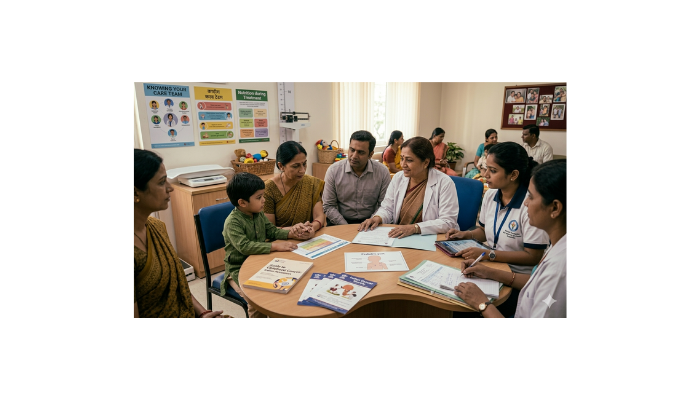
Childhood cancers differ fundamentally from adult malignancies; they require highly specialized medical environments and specialized clinical professionals who understand the physiological and emotional nuances of growing children.
Understanding the Multidisciplinary Team
Your child’s care will not rest on a single doctor’s shoulders. It requires a coordinated network of specialists, including pediatric surgeons, radiation oncologists, specialized niches, pathologists, and nutritionists. Securing a highly qualified Pediatric Oncologist in Pune ensures your child’s treatment plan is designed and executed according to international oncology protocols, providing targeted care designed for young bodies.
Evaluating the Treatment Facility
When choosing where your child will receive long-term therapy, look for institutions that offer comprehensive care under one roof. A dedicated facility should provide advanced diagnostic infrastructure, sterile inpatient wings optimized for immunocompromised children, 24/7 emergency oncology support, and psychological counseling services for the entire family.
Phase 4: 36 to 48 Hours – Preparing for the Journey Ahead

As you approach the end of the first 48 hours, the focus shifts toward sustainable logistics, emotional stabilization, and preparing your child for what lies ahead.
Communicating Honestly with Your Child
Parents often struggle with how much information to share with their sick child. While you should shield them from adult anxieties and complex statistical jargon, complete secrecy can breed deeper fear. Use age-appropriate, honest language. For example, you might explain that some “bad cells” are making them tired, and a team of special doctors is going to use strong medicines to help clear those bad cells away. Reassure them constantly that none of this is their fault and that you will remain by their side through every single step.
Addressing Siblings' Needs
When a child is diagnosed with a severe illness, siblings can experience a complex mix of confusion, neglect, anger, or guilt. Ensure they are given clear explanations about what is happening. Reassure them that they are deeply loved, and attempt to maintain as much of their normal routine as possible with the assistance of your extended support network.
Accepting Practical Assistance
When friends and neighbors ask, “How can I help?”, avoid polite deflections. Give them specific, actionable tasks. Ask for help with preparing healthy meals for your household, managing grocery shopping, driving siblings to school, or taking care of household pets. Accepting practical support frees up your energy so you can focus entirely on your child’s immediate care.
A Sanctuary of Specialized Healing and Hope
Finding the right medical home can provide immense comfort during this challenging time. Built through the visionary support of the Shri Narasimha Saraswati Medical Foundation, Indrayani Hospital & Cancer Institute delivers standardized and affordable cancer treatment across the region of Maharashtra. Located in the peaceful and sacred surroundings of Alandi, the institute ensures that patients receive cancer care of the highest clinical quality.
Operating as a premier specialized cancer facility, the center is driven by a deep commitment to making advanced oncology accessible to all. The medical team strives daily to provide the finest, evidence-based treatments to every individual in need at highly reasonable prices. Recognizing that time is of the essence in oncology, the hospital maintains a highly optimized and streamlined administrative and clinical process, which significantly reduces waiting times and helps patients begin their treatments faster. Furthermore, the institution remains dedicated to equity in healthcare, rendering all of its advanced facilities, technologies, and medical expertise to everyone who walks through its doors, regardless of their financial status.
Your Next Critical Step
The initial 48 hours are about survival, grounding yourself, and setting a solid foundation for the medical path forward. You do not have to carry this heavy burden alone. Entrusting your child’s care to a dedicated team can make all the difference in achieving a successful outcome. Prioritize expert intervention, lean heavily on your support networks, and take comfort in knowing that pediatric oncology has advanced dramatically, offering more hope and higher cure rates today than ever before. To explore comprehensive treatment pathways, seek expert second opinions, or access state-of-the-art Pediatric Oncology Services in Pune, please do not hesitate to reach out for immediate guidance.
Book Your Appointment Today at Indrayani Hospital & Cancer Institute
Contact Number: +91-8378042020
Frequently Asked Questions (FAQs)
Childhood cancers often behave differently than adult malignancies because they typically develop in different types of cells and tissues (such as the bone marrow, blood, or nervous system) rather than epithelial tissues. Because children’s bodies are still growing, they respond differently to therapies like chemotherapy and radiation. Pediatric protocols are specially calibrated to maximize cure rates while minimizing long-term effects on growth, development, and organ function.
Absolutely. Seeking a second opinion is a standard, widely accepted practice in oncology and rarely causes dangerous delays in treatment, provided it is done promptly. A reputable medical team will welcome a second opinion to confirm the diagnosis and reassure you that the proposed treatment strategy aligns with established medical standards.
Stress and diagnostic fasting windows can disrupt a child’s eating patterns. When they are permitted to eat, offer small, frequent, nutrient-dense meals or favorite comfort foods rather than forcing large portions. Focus on proper hydration with water, clear broths, or diluted fruit juices, and consult a pediatric oncology nutritionist early to address specific dietary needs.
Yes, there is a large, compassionate community of pediatric cancer support networks. Most specialized cancer centers provide access to medical social workers, psycho-oncologists, and peer support groups where you can connect with parents who have walked similar paths. These resources offer invaluable emotional guidance, coping strategies, and practical advice for navigating long-term care.