Every parent across India, whether you are watching your child play cricket in local maidans, navigate school exams, or enjoy family festivals, wants nothing more than to see them grow up energetic, healthy, and full of life. India has seen incredible advancements in healthcare, yet when a child falls sick, a parent’s world stands still.
While everyday illnesses like seasonal flu, school infections, or pollution-related allergies are common, sometimes minor, persistent changes in a child’s health can point to something far more serious, including childhood cancer.
The most important thing to remember is that childhood cancer is rare. Moreover, when detected at an early stage, most forms of childhood cancer can be treated highly effectively with modern medicine, advanced therapies, and proper supportive care. Awareness and timely action are a parent’s greatest tools.
Why Early Detection Matters in Childhood Cancer
Childhood cancers behave differently than adult cancers. Because children grow rapidly, these conditions can also advance quickly. However, children’s bodies often respond remarkably well to treatments like chemotherapy. Thousands of families across India face this diagnosis every year, and data consistently shows that timely intervention radically improves survival outcomes. Common types like leukaemia (blood cancer), lymphoma, and certain brain tumours have excellent cure rates when diagnosed early in well-equipped pediatric oncology departments.
As a rule of thumb for parents: if any symptom lasts for more than 1 to 2 weeks without a clear cause, or if something simply feels “not right,” skipping home remedies and consulting a qualified pediatrician is the safest step.
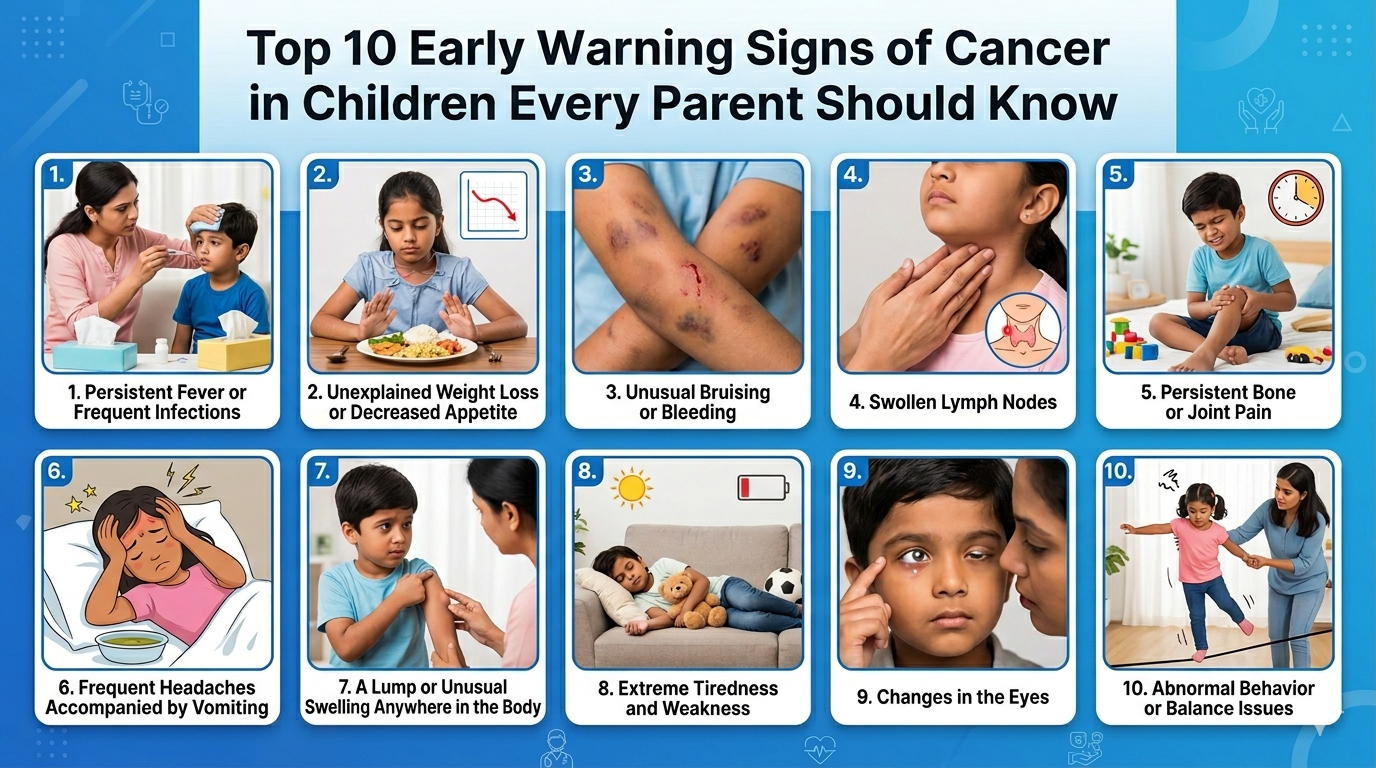
Top 10 Early Warning Signs to Watch For
Here are the key warning signs that demand medical evaluation if they are prolonged, unexplained, or cluster together.
1. Persistent Fever or Frequent Infections
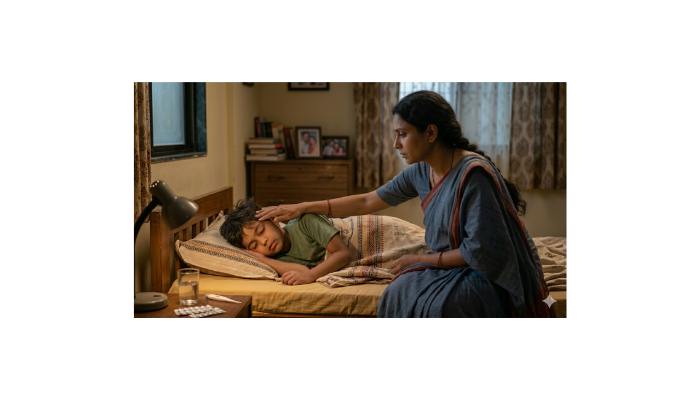
While standard viral fevers are incredibly common in India due to changing weather and school environments, a fever that keeps returning without an obvious cause (like a cold or cough) requires attention. Cancer can compromise a child’s immune system, making them highly susceptible to frequent infections. If a fever lasts longer than two weeks or recurs constantly, a pediatrician will typically order a Complete Blood Count (CBC) to evaluate white blood cell levels.
2. Unexplained Weight Loss or Decreased Appetite
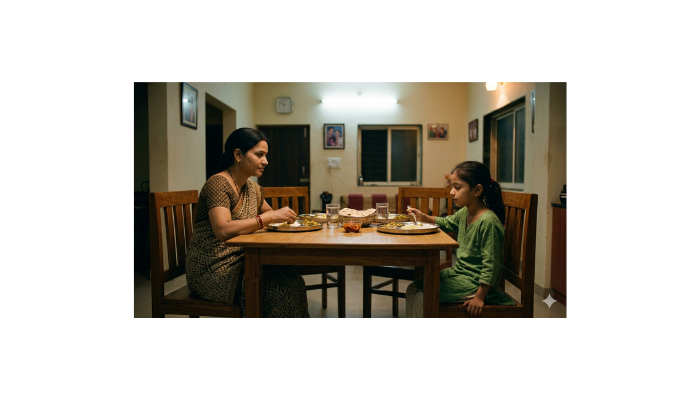
Children generally gain weight at a steady pace. If your child is losing weight unexpectedly without changes in physical activity, or if they suddenly refuse their favorite comforting meals like dal-chawal or puri-bhaji for more than a week, track it. Cancers can alter metabolic processes and deplete energy levels.
Action Step: If your child looks noticeably thinner, track their weight in a notebook once a week. If the downward trend continues for over a week, consult a physician.
3. Unusual Bruising or Bleeding
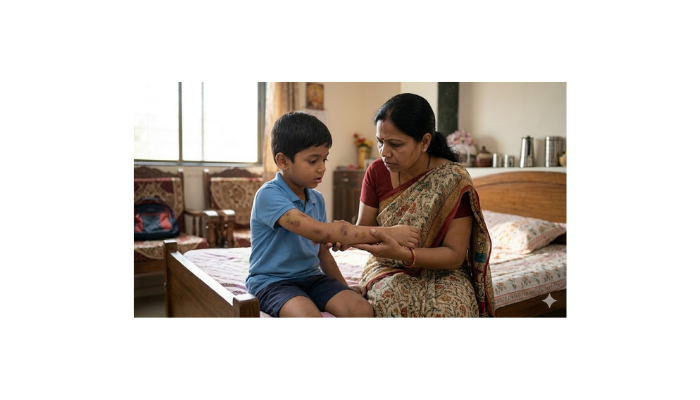
It is perfectly normal for children to get bumps and bruises from playing outside or participating in sports. However, frequent nosebleeds, bleeding gums, easy bruising in unusual areas (like the stomach, back, or chest) without any injury, or tiny red spots on the skin (petechiae) are warning signs. These happen when conditions like leukaemia or lymphoma disrupt normal blood clotting and platelet production.
4. Swollen Lymph Nodes
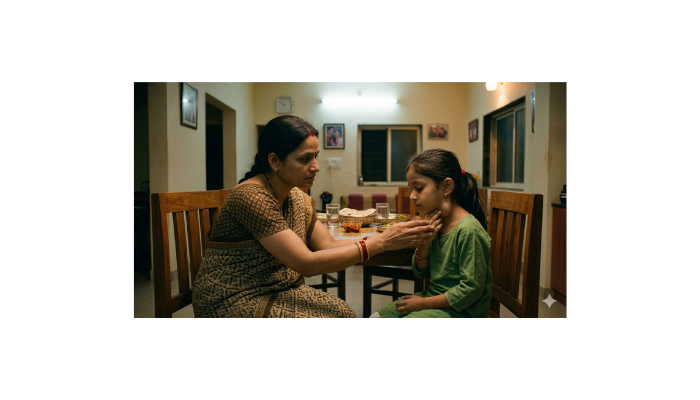
Lymph nodes naturally swell and feel tender when a child is fighting a normal infection, like a throat cold, and they shrink once the child recovers. In contrast, lymph nodes related to oncological issues are typically painless, feel firm, and remain enlarged for 2 to 3 weeks or longer. Pay close attention to one-sided swelling in the neck, armpits, or groin.
5. Persistent Bone or Joint Pain
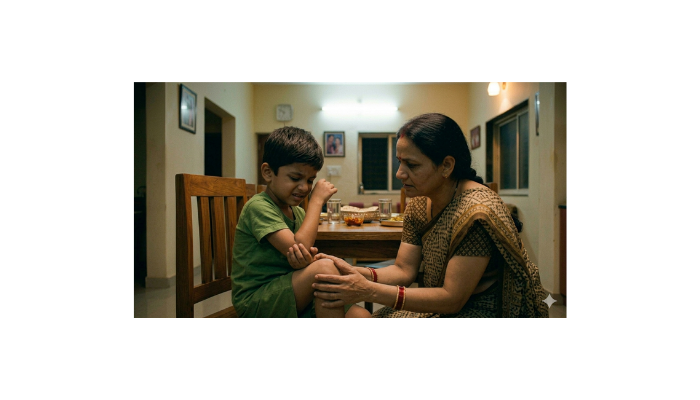
Complaints of leg or joint pain are frequently dismissed as “growing pains.” However, true growing pains usually occur in both legs, happen late in the day, and do not cause a limp. If your child experiences persistent, one-sided bone or joint pain that wakes them up at night, does not improve with rest or basic pain relievers, or causes an unexplained limp, it warrants a prompt medical visit.
6. Frequent Headaches Accompanied by Vomiting
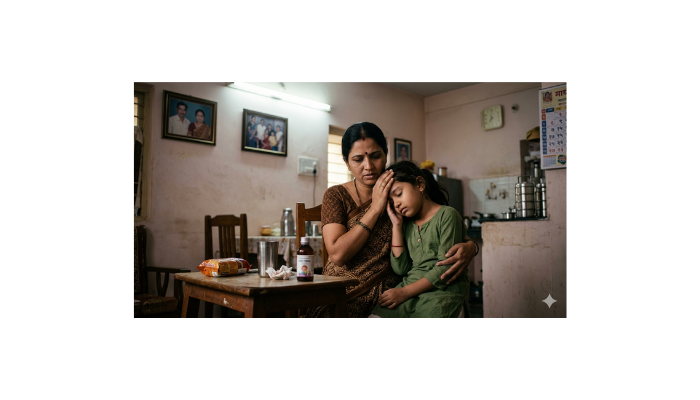
Early morning headaches that are severe enough to wake a child up and are accompanied by vomiting (unrelated to a stomach bug or food issues) can be a sign of increased pressure inside the brain. Other neurological cues include sudden clumsiness, unsteadiness while walking, or blurred vision. Do not assume chronic headaches in young children are simply migraines without a doctor’s evaluation.
7. A Lump or Unusual Swelling Anywhere in the Body
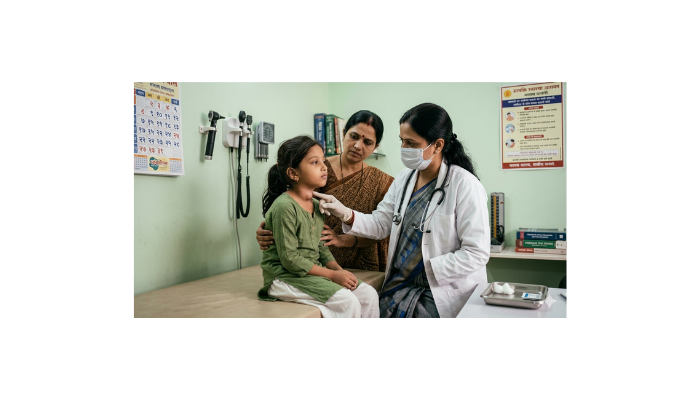
Any new, unexplained mass or firm swelling in the abdomen, chest, pelvis, arms, or legs requires immediate medical attention. For instance, a firm swelling in the belly can sometimes indicate a Wilms’ tumour (a type of kidney cancer) or a neuroblastoma. Parents often notice these unexpectedly while bathing or dressing their child.
8. Extreme Tiredness and Weakness
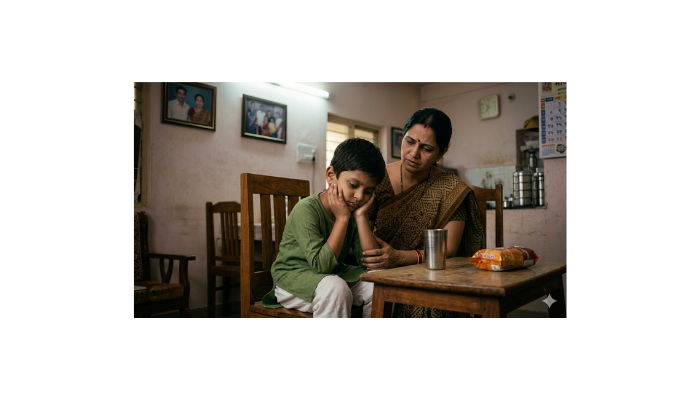
If a normally energetic, playful child suddenly becomes chronically lethargic, prefers to sleep instead of playing, or tires out remarkably fast, look closer. This deep fatigue is often caused by anemia, which happens when an underlying malignancy crowds out healthy, oxygen-carrying red blood cells.
9. Changes in the Eyes
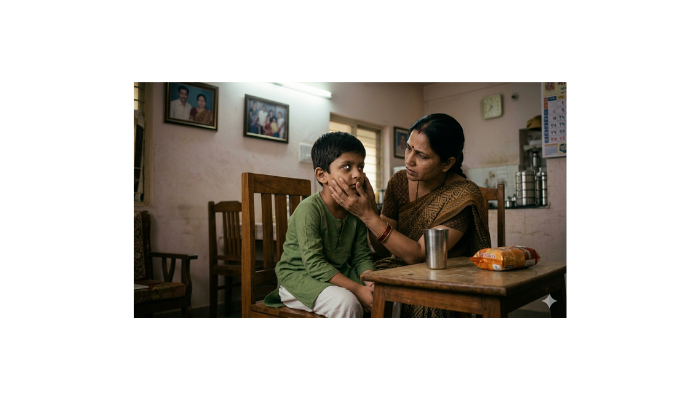
A sudden white glow or reflection in the child’s pupil, especially noticeable when light hits it or in a flash photograph (where the pupil should normally look black or red), is a classic sign of retinoblastoma, a rare eye cancer. Other visual signs include a newly developed squint, a sudden change in vision, or one eye appearing larger than the other.
10. Abnormal Behavior or Balance Issues

Sudden, unexplained changes in personality, unprovoked mood swings, a loss of balance, newly developed clumsiness, or the onset of seizures can point to neurological changes. Always monitor a child who suddenly begins falling frequently or struggles with fine motor skills like writing or holding objects.
Other Associated Symptoms to Note
Physicians look at the whole picture, specifically the duration and clustering of symptoms. Other signs that should not be ignored if persistent include:
- A continuous cough or difficulty breathing
- Severe, unusual paleness of the skin and lips
- Unexplained, excessive thirst accompanied by frequent urination
- Easy bone fractures from minor trips or falls
Proactive Health Guidelines for Indian Parents
Protecting your child’s health involves a balance of vigilance and healthy lifestyle practices.
- Maintain Regular Check-ups: Ensure your child receives annual pediatric examinations, especially before starting a new school term.
- Prioritize Balanced Nutrition: Provide meals rich in whole grains, seasonal fruits, green leafy vegetables, lentils (dals), and traditional regional grains like jowar, bajra, or ragi to build a robust immune system.
- Keep a Simple Health Diary: Note down dates of fevers, sudden weight changes, or recurring physical complaints. This record is incredibly valuable for doctors.
- Encourage Open Communication: Teach your child to vocalize if they are feeling unusually tired, dizzy, or experiencing persistent pain.
- Balance Screen Time and Rest: Ensure your child gets adequate, undisturbed sleep every night and maintains a healthy balance between outdoor play and indoor entertainment.
A Message of Hope
A cancer diagnosis is undoubtedly terrifying, but the landscape of Pediatric Oncology Services in Pune has transformed dramatically. Countless children across the country have successfully defeated cancer and returned to their schools, sports, and daily routines.
With advanced treatment protocols, including highly targeted chemotherapy, precision surgery, and advanced supportive care, the medical community is more capable than ever before. If you notice any unusual, lingering signs, avoid panic, bypass long delays with home remedies, and seek an expert pediatric evaluation. Early diagnostic tests like blood work, ultrasounds, or specialized scans can quickly rule out severe issues or set your child on the correct path to recovery. Awareness, swift action, and positive thinking save young lives.
Consult Our Experts Today
When it comes to your child’s health, trusting your instincts and seeking timely care makes all the difference. Early detection saves lives and ensures a healthier tomorrow.
If you observe any concerning or persistent symptoms in your child, do not delay. Consult the dedicated specialists at Indrayani Hospital and Cancer Institute. Our expert medical team is equipped with advanced diagnostic tools and specialized treatment protocols to support your family every step of the way.
👉 Learn more about our comprehensive care or book an expert consultation: Visit our Pediatric Oncology Department in Pune.
Frequently Asked Questions (FAQs)
While symptoms can vary depending on the specific type of cancer, the most frequent warning signs include persistent, unexplained fever; sudden, unexplainable weight loss; frequent headaches often accompanied by early morning vomiting; unusual lumps or swelling; easy bruising or bleeding; and a noticeable whitish glow in the child’s pupil when exposed to light.
Not necessarily. Most of these early warning signs are very common symptoms of everyday, minor childhood illnesses or infections. However, the key differentiator is persistence. If a symptom does not improve with standard treatments, worsens over a week or two, or cannot be explained by a typical childhood ailment, it warrants a professional medical evaluation.
Early detection significantly increases the success rate of treatments and often allows for less aggressive therapy options, minimizing long-term side effects. Unlike adult cancers, childhood cancers often grow rapidly, making it vital to catch them before they spread to other parts of the body. Timely intervention gives specialized medical teams the best opportunity to achieve a complete cure.
Your first step should be to schedule an appointment with your primary pediatrician immediately. Clearly track when the symptoms started and how often they occur. If your pediatrician shares your concerns or if symptoms persist despite initial reassurance, request a referral to a specialist. For families in Maharashtra, accessing a comprehensive Pediatric Oncologist in Pune ensures your child receives dedicated diagnostic testing and expert care from the very beginning.